

As a supplier of carbon steel wire, I've witnessed firsthand the remarkable versatility and flexibility of this material. Carbon steel wire is a staple in numerous industries, from construction and automotive to manufacturing and beyond. In this blog post, I'll delve into the various aspects of the flexibility of carbon steel wire, exploring its properties, applications, and why it's such a popular choice for so many businesses.
Understanding the Basics of Carbon Steel Wire
Carbon steel wire is made primarily from iron and carbon, with the carbon content typically ranging from 0.05% to 2.1%. The amount of carbon in the steel significantly influences its properties, including strength, hardness, and ductility. Generally, higher carbon content results in greater strength and hardness but lower ductility, while lower carbon content provides better ductility and formability.
The flexibility of carbon steel wire is closely related to its ductility, which is the ability of a material to deform under tensile stress without breaking. Ductile materials can be stretched, bent, and shaped into various forms, making them ideal for applications that require complex geometries or precise dimensions. Carbon steel wire, with its excellent ductility, can be easily manipulated into different shapes and sizes, offering a high degree of flexibility in design and manufacturing.
Mechanical Properties and Flexibility
One of the key factors contributing to the flexibility of carbon steel wire is its mechanical properties. These properties are determined by the composition of the steel, the manufacturing process, and any subsequent heat treatment. Some of the most important mechanical properties that affect flexibility include:
- Tensile Strength: Tensile strength is the maximum amount of tensile stress that a material can withstand before breaking. Carbon steel wire typically has high tensile strength, which allows it to be stretched and bent without breaking. This property is essential for applications where the wire is subjected to high loads or forces, such as in suspension bridges or elevator cables.
- Yield Strength: Yield strength is the stress at which a material begins to deform plastically, meaning it will not return to its original shape after the stress is removed. Carbon steel wire has a well-defined yield point, which allows for predictable deformation and ensures that the wire can be bent and shaped without excessive cracking or failure.
- Elongation: Elongation is the percentage increase in length of a material when it is subjected to tensile stress. A high elongation value indicates that the material is ductile and can be stretched without breaking. Carbon steel wire typically has a high elongation value, which contributes to its flexibility and formability.
- Hardness: Hardness is a measure of a material's resistance to indentation or scratching. While carbon steel wire can be hardened through heat treatment, excessive hardness can reduce its flexibility and make it more brittle. Therefore, the hardness of carbon steel wire is carefully controlled to balance strength and flexibility.
Applications of Flexible Carbon Steel Wire
The flexibility of carbon steel wire makes it suitable for a wide range of applications across various industries. Here are some examples of how carbon steel wire is used in different sectors:
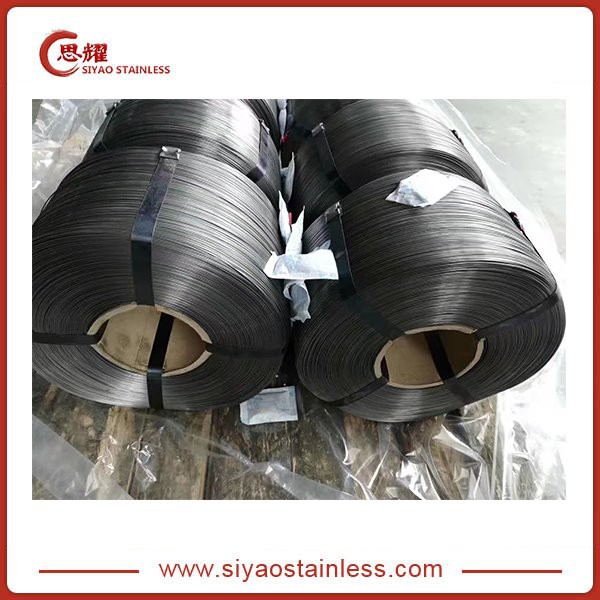

- Construction: In the construction industry, carbon steel wire is used for a variety of purposes, including reinforcing concrete structures, fencing, and suspension systems. The flexibility of the wire allows it to be easily bent and shaped to fit the specific requirements of a project, while its high strength ensures the structural integrity of the building.
- Automotive: Carbon steel wire is used in the automotive industry for manufacturing components such as springs, cables, and fasteners. The flexibility of the wire enables it to be formed into complex shapes and configurations, while its durability and strength make it suitable for use in high-stress applications.
- Manufacturing: In the manufacturing sector, carbon steel wire is used for making a wide range of products, including wire mesh, nails, screws, and staples. The flexibility of the wire allows for efficient production processes and enables manufacturers to create products with precise dimensions and shapes.
- Agriculture: Carbon steel wire is used in the agricultural industry for fencing, animal cages, and irrigation systems. The flexibility of the wire makes it easy to install and adjust, while its resistance to corrosion and wear ensures long-lasting performance in outdoor environments.
- Electrical: Carbon steel wire is used in the electrical industry for making conductors, cables, and grounding wires. The flexibility of the wire allows for easy installation and routing, while its electrical conductivity ensures efficient transmission of electricity.
Factors Affecting the Flexibility of Carbon Steel Wire
While carbon steel wire is inherently flexible, several factors can affect its flexibility and performance. These factors include:
- Carbon Content: As mentioned earlier, the carbon content of carbon steel wire significantly influences its properties, including flexibility. Higher carbon content generally results in lower flexibility, while lower carbon content provides better ductility and formability.
- Heat Treatment: Heat treatment is a process used to modify the properties of carbon steel wire by heating and cooling it under controlled conditions. Heat treatment can increase the strength and hardness of the wire, but it can also reduce its flexibility if not done correctly. Therefore, the heat treatment process must be carefully controlled to balance strength and flexibility.
- Surface Finish: The surface finish of carbon steel wire can also affect its flexibility. A smooth surface finish reduces friction and allows the wire to bend and flex more easily, while a rough surface finish can increase friction and make the wire more difficult to manipulate.
- Diameter and Shape: The diameter and shape of carbon steel wire can also impact its flexibility. Thinner wires are generally more flexible than thicker wires, while wires with a round cross-section are more flexible than wires with a square or rectangular cross-section.
Choosing the Right Carbon Steel Wire for Your Application
When selecting carbon steel wire for a specific application, it's important to consider the flexibility requirements of the project. Here are some tips to help you choose the right wire:
- Determine the Required Flexibility: Consider the degree of bending, stretching, and shaping that the wire will need to undergo in your application. If the wire needs to be highly flexible, choose a wire with a lower carbon content and a smooth surface finish.
- Consider the Strength Requirements: While flexibility is important, you also need to ensure that the wire has sufficient strength to withstand the loads and forces it will be subjected to in your application. Consider the tensile strength, yield strength, and hardness of the wire when making your selection.
- Evaluate the Surface Finish: The surface finish of the wire can affect its flexibility and performance. Choose a wire with a smooth surface finish to reduce friction and make it easier to bend and shape.
- Select the Appropriate Diameter and Shape: The diameter and shape of the wire can also impact its flexibility. Choose a wire with a diameter and shape that is suitable for your application.
Conclusion
In conclusion, the flexibility of carbon steel wire is one of its most valuable properties, making it a versatile and widely used material in various industries. Its ability to be easily bent, stretched, and shaped allows for the creation of complex and customized products, while its high strength and durability ensure long-lasting performance. As a [Your Company Name] supplier of carbon steel wire, I'm committed to providing high-quality products that meet the specific needs of our customers. If you're interested in learning more about our carbon steel wire products or have any questions about flexibility and application, please don't hesitate to [Contact Method]. We look forward to working with you to find the perfect solution for your project.
References
- ASM Handbook, Volume 1: Properties and Selection: Irons, Steels, and High-Performance Alloys. ASM International, 1990.
- Metals Handbook Desk Edition, 3rd Edition. ASM International, 1998.
- Steel Wire Handbook: Properties, Processing, and Applications. CRC Press, 2005.