

Elongation rate is a critical mechanical property that measures a material's ability to deform plastically before fracture. In the context of stainless steel pipes, understanding the elongation rate is essential for assessing their formability, ductility, and overall performance in various applications. As a leading supplier of high - quality stainless steel pipes, I am often asked about the elongation rate of these products. In this blog, I will delve into what the elongation rate of stainless steel pipes is, the factors that influence it, and its significance in practical applications.
Understanding the Elongation Rate
The elongation rate, also known as the percentage elongation, is defined as the increase in the length of a material specimen after it has been subjected to tensile stress until it fractures, expressed as a percentage of its original length. To measure the elongation rate of a stainless steel pipe, a standardized test specimen is prepared according to international standards such as ASTM or ISO. The specimen is then placed in a tensile testing machine, where a gradually increasing load is applied until the specimen breaks.
The formula for calculating the elongation rate is as follows:
[
\text{Elongation Rate}(%)=\frac{L_f - L_0}{L_0}\times100
]
where (L_0) is the original gauge length of the specimen, and (L_f) is the final gauge length after fracture.
For example, if the original length of a stainless steel pipe specimen is 50 mm and after fracture, the length is 60 mm, the elongation rate is (\frac{60 - 50}{50}\times100 = 20%).
Factors Influencing the Elongation Rate of Stainless Steel Pipes
Chemical Composition
The chemical composition of stainless steel has a significant impact on its elongation rate. Different alloying elements are added to stainless steel to enhance its corrosion resistance, strength, and other properties. For instance, chromium is the primary alloying element in stainless steel, which forms a passive oxide layer on the surface, protecting it from corrosion. Nickel, on the other hand, improves the ductility and toughness of stainless steel.
Austenitic stainless steels, such as 304L Stainless Steel Pipe, which contain high levels of nickel and chromium, generally have higher elongation rates compared to ferritic or martensitic stainless steels. The presence of carbon can also affect the elongation rate. High carbon content can lead to the formation of carbides, which may reduce the ductility of the stainless steel.
Manufacturing Process
The manufacturing process of stainless steel pipes can influence their elongation rate. Pipes produced by seamless manufacturing methods often have better mechanical properties, including higher elongation rates, compared to welded pipes. Seamless pipes are formed by piercing a solid billet, which results in a more uniform grain structure throughout the pipe.
Welded pipes, such as Stainless Steel Welded Pipe, are made by welding strips or sheets of stainless steel together. The welding process can introduce heat - affected zones (HAZs), where the microstructure and mechanical properties of the steel may be altered. If not properly controlled, the HAZ can reduce the elongation rate of the welded pipe.
Heat Treatment
Heat treatment is another important factor that affects the elongation rate of stainless steel pipes. Annealing is a common heat - treatment process used to improve the ductility of stainless steel. During annealing, the steel is heated to a specific temperature and then slowly cooled. This process helps to relieve internal stresses, refine the grain structure, and increase the elongation rate.
On the contrary, processes like cold working, which involve deforming the stainless steel at room temperature, can reduce the elongation rate. Cold working increases the strength of the steel but also reduces its ductility due to work hardening.
Significance of Elongation Rate in Practical Applications
Forming and Fabrication
The elongation rate is crucial in applications where stainless steel pipes need to be formed or fabricated into different shapes. For example, in the construction of architectural structures or automotive components, pipes may need to be bent, flared, or expanded. A high elongation rate ensures that the pipes can undergo these forming processes without cracking or fracturing.
In the case of Stainless Steel Box Section, which is often used in structural applications, a sufficient elongation rate is necessary to ensure that the box section can withstand the stresses during installation and service without failure.
Corrosion Resistance and Fatigue Resistance
The elongation rate is also related to the corrosion resistance and fatigue resistance of stainless steel pipes. A material with good ductility can better accommodate local stresses and strains caused by corrosion or cyclic loading. This means that stainless steel pipes with higher elongation rates are less likely to develop cracks due to corrosion - induced stress or fatigue, which can significantly extend their service life.
Typical Elongation Rates of Different Types of Stainless Steel Pipes
Austenitic stainless steel pipes, such as 304 and 316 grades, typically have elongation rates ranging from 40% to 60%. These high elongation rates make them suitable for a wide range of applications, including food processing, chemical handling, and architectural purposes.
Ferritic stainless steel pipes usually have lower elongation rates, typically in the range of 20% to 30%. While they are less ductile than austenitic stainless steels, they offer good corrosion resistance in certain environments and are often used in automotive exhaust systems and some industrial applications.
Martensitic stainless steel pipes have relatively low elongation rates, usually below 20%. They are known for their high strength and hardness but are less suitable for applications that require significant deformation.
How We Ensure High - Quality Elongation Rates in Our Stainless Steel Pipes
As a stainless steel pipe supplier, we understand the importance of the elongation rate for our customers. We source our raw materials from reputable mills that adhere to strict quality control standards. Our in - house quality control team conducts comprehensive testing on each batch of stainless steel pipes to ensure that they meet the specified elongation rate requirements.
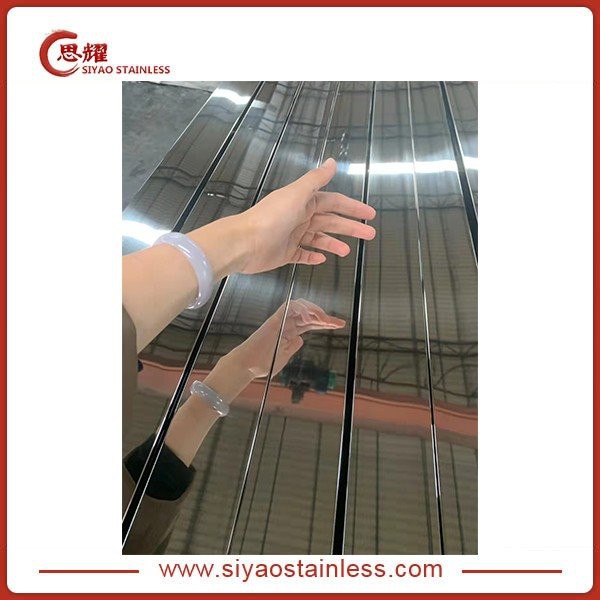

We use advanced manufacturing techniques and heat - treatment processes to optimize the mechanical properties of our pipes. Our state - of - the - art production facilities are equipped with the latest technology to ensure consistent quality and high performance of our stainless steel pipes.
Conclusion
The elongation rate of stainless steel pipes is a crucial mechanical property that reflects their ductility and formability. It is influenced by various factors, including chemical composition, manufacturing process, and heat treatment. Understanding the elongation rate is essential for selecting the right stainless steel pipes for different applications, whether it's for construction, manufacturing, or other industries.
If you are in the market for high - quality stainless steel pipes with excellent elongation rates, we are here to help. Our extensive range of products, including Stainless Steel Box Section, Stainless Steel Welded Pipe, and 304L Stainless Steel Pipe, is designed to meet your specific requirements. Contact us today to discuss your procurement needs and let us provide you with the best stainless steel pipe solutions.
References
- ASM Handbook, Volume 1: Properties and Selection: Irons, Steels, and High - Performance Alloys.
- ASTM Standards for Tensile Testing of Metals.
- ISO Standards for Metallic Materials - Tensile Testing.