

Hey there! As a supplier of 430 Stainless Steel Coil, I've been getting a lot of questions lately about what cutting tools are suitable for machining this type of stainless steel coil. So, I thought I'd share some insights based on my experience in the industry.
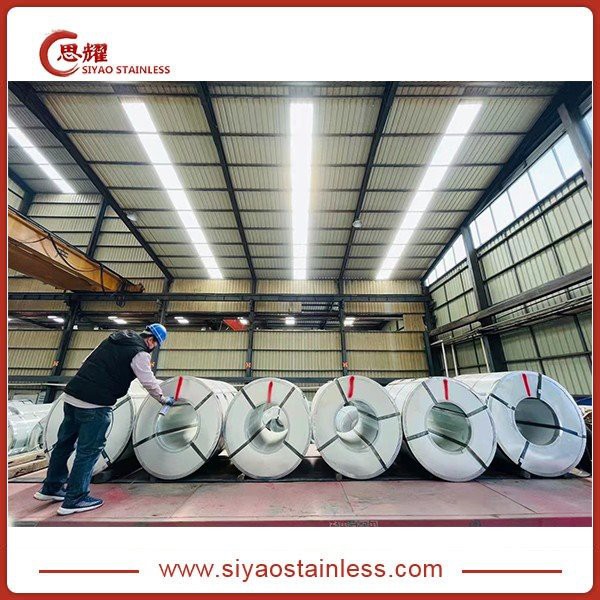
First off, let's talk a bit about 430 stainless steel coil. It's a popular choice in many industries due to its good corrosion resistance, formability, and relatively low cost compared to some other stainless steel grades. You can check out more details about 430 Stainless Steel Coil on our website.
When it comes to cutting 430 stainless steel coil, the choice of cutting tools depends on several factors, such as the thickness of the coil, the cutting method you're using, and the finish you want to achieve.
Carbide Cutting Tools
Carbide cutting tools are a top pick for machining 430 stainless steel coil. They're super hard and can withstand high temperatures, which is crucial when cutting through stainless steel. Carbide end mills, for example, are great for milling operations. They can handle high cutting speeds and feed rates, which means you can get the job done faster.
There are different types of carbide coatings available, too. Titanium nitride (TiN) coating is one of the most common. It reduces friction between the tool and the material, which in turn extends the tool life and gives you a better surface finish. Another option is titanium carbonitride (TiCN) coating, which is even more wear - resistant than TiN.
If you're doing turning operations, carbide inserts are the way to go. They're easy to replace when they wear out, and they come in different geometries to suit various cutting requirements. You can choose inserts with a sharp cutting edge for light cuts or inserts with a stronger edge for heavy - duty cutting.
High - Speed Steel (HSS) Cutting Tools
High - speed steel cutting tools are also an option, especially for less demanding applications or when you're on a budget. HSS tools are more flexible than carbide tools and can be resharpened easily.
HSS drills are commonly used for drilling holes in 430 stainless steel coil. They can be sharpened multiple times, which makes them a cost - effective choice in the long run. However, they don't have the same heat resistance as carbide tools, so you need to be careful with the cutting speed. If you go too fast, the tool can overheat and lose its hardness, which will affect the cutting quality.
Diamond Cutting Tools
Diamond cutting tools are the ultimate in terms of performance, but they're also the most expensive. Polycrystalline diamond (PCD) tools, for instance, are extremely hard and can cut through 430 stainless steel coil like a hot knife through butter.
PCD saw blades are great for cutting large sheets of 430 stainless steel coil. They provide a very clean and precise cut, with minimal burrs. However, because of their high cost, they're usually reserved for high - volume production or applications where a very high - quality finish is required.

Abrasive Cutting Tools
Abrasive cutting tools, such as abrasive wheels, are another option for cutting 430 stainless steel coil. They work by grinding through the material rather than shearing it.
Abrasive cutting wheels are often used for cutting thick coils or for making rough cuts. They can be used on a variety of cutting machines, like abrasive cut - off saws. However, one drawback is that they generate a lot of heat and dust. You need to have proper ventilation and cooling systems in place to protect the operator and the machine.
Waterjet Cutting
Waterjet cutting is a non - traditional cutting method that's becoming more popular for machining 430 stainless steel coil. It uses a high - pressure stream of water mixed with an abrasive material to cut through the metal.
The great thing about waterjet cutting is that it doesn't generate heat, which means there's no risk of heat - affected zones or distortion in the material. It can also cut through complex shapes with high precision. However, the equipment is quite expensive, and the cutting speed is relatively slow compared to some other methods.
Laser Cutting
Laser cutting is a high - tech option for cutting 430 stainless steel coil. It uses a high - powered laser beam to melt and vaporize the material.
Laser cutting offers extremely high precision and can cut through thin to medium - thickness coils very quickly. It can also create intricate shapes and patterns with ease. But like waterjet cutting, the initial investment in laser cutting equipment is high, and there are some safety concerns that need to be addressed.
Considerations for Cutting 430 Stainless Steel Coil
When choosing a cutting tool for 430 stainless steel coil, you also need to consider the following:
- Thickness of the Coil: Thicker coils require more powerful cutting tools and slower cutting speeds. For example, if you're cutting a very thick 430 stainless steel coil, you might need to use a carbide insert with a strong cutting edge and reduce the feed rate to avoid tool breakage.
- Surface Finish: If you need a smooth surface finish, you'll want to choose a cutting tool and method that minimizes burrs and rough edges. Carbide tools with a good coating are usually a good choice for achieving a high - quality finish.
- Production Volume: For high - volume production, you'll want to choose cutting tools that have a long tool life and can handle high - speed cutting. Carbide tools and diamond tools are better suited for this type of application. For low - volume production, HSS tools or abrasive cutting tools might be more cost - effective.
Other Related Stainless Steel Products
If you're interested in other types of stainless steel coils, we also offer Mirror Coil 304 and 304 Polished Coil. These products have different properties and are suitable for different applications. Mirror Coil 304, for example, has a beautiful mirror - like finish, which makes it ideal for decorative applications.
In conclusion, choosing the right cutting tool for machining 430 stainless steel coil depends on your specific needs and requirements. Whether you go for carbide, HSS, diamond, or abrasive tools, make sure to consider factors like the cutting method, the thickness of the coil, and the desired surface finish.
If you're in the market for 430 Stainless Steel Coil or have any questions about the cutting tools we've discussed, don't hesitate to reach out. We're here to help you find the best solutions for your projects.
References
- "Machining of Stainless Steels" by ASM International
- "Cutting Tool Engineering Handbook" by Industrial Press Inc.