

Hey there! I'm a supplier of Copper Plated Color Sheet, and today I wanna chat about a question I often get asked: What is the thickness of copper plated color sheet?
Understanding Copper Plated Color Sheet
First off, let me give you a quick rundown on what Copper Plated Color Sheet is. It's a type of decorative material that combines the beauty of copper's color with the durability of a base sheet. The base sheet is usually made of stainless steel, which provides strength and corrosion resistance. Then, a layer of copper is plated onto the surface, giving it that distinctive copper look. And to top it off, it's colored to achieve various aesthetic effects.
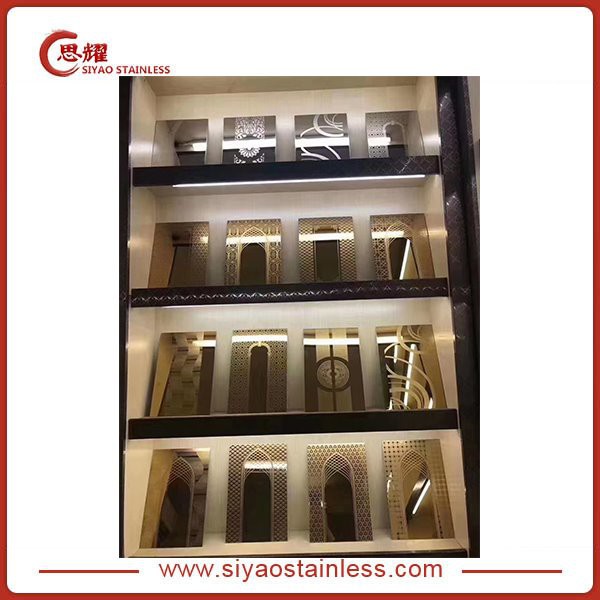
These sheets are super popular in a bunch of industries. You can find them in interior design for wall cladding, ceiling panels, and furniture accents. They're also used in architecture for facades and decorative elements. The reason for their popularity? Well, they offer a unique and luxurious appearance that can really make a space stand out.
Factors Affecting the Thickness
Now, let's talk about what determines the thickness of copper plated color sheets. There are a few key factors at play here.
Application Requirements
The intended use of the sheet is a major factor. For example, if it's going to be used in a high - traffic area where it might get bumped or scratched, you'll probably want a thicker sheet. A thicker sheet can better withstand wear and tear. On the other hand, if it's for a decorative piece that won't be subject to much physical stress, a thinner sheet might be just fine.
Let's say you're using it for a wall in a hotel lobby. Since there are a lot of people coming in and out, a thicker sheet would be more suitable to ensure it lasts. But if it's for a small decorative panel in a private office, a thinner one could work well.
Base Material Thickness
The thickness of the base material also matters. The copper plating is applied on top of the base sheet, so the thickness of the base sets a starting point. If the base material is thick, the overall thickness of the copper plated color sheet will naturally be greater. Different base materials have different standard thicknesses available. Stainless steel, which is a common base for these sheets, comes in a range of thicknesses from very thin foils to thicker plates.
Copper Plating Thickness
The amount of copper plated onto the base sheet is another factor. The thickness of the copper layer can vary depending on the desired look and performance. A thicker copper layer might give a more pronounced copper color and better conductivity (if that's important for your application). However, it also adds to the overall cost.
Common Thickness Ranges
So, what are the typical thicknesses you can expect to find for copper plated color sheets?
Base Material Thickness
For the base stainless steel sheet, common thicknesses range from about 0.3mm to 3mm. Thinner sheets, around 0.3mm - 0.8mm, are often used for more lightweight applications like small decorative items or where flexibility is required. Thicker sheets, from 1mm - 3mm, are used for more structural or heavy - duty applications.
Copper Plating Thickness
The copper plating thickness can range from a few microns to several tens of microns. A thin copper plating, say around 5 - 10 microns, might be used for a more subtle copper appearance. Thicker copper platings, up to 50 microns or more, can give a more solid and rich copper look.
Combining the base material and the copper plating, the overall thickness of a copper plated color sheet can be anywhere from around 0.3mm (for a very thin base with a thin copper layer) to over 3mm (for a thick base with a relatively thick copper plating).
Importance of Choosing the Right Thickness
Picking the right thickness is crucial for several reasons.
Aesthetic Appeal
The thickness can affect the overall look of the sheet. A thinner sheet might have a more delicate appearance, while a thicker sheet can look more substantial and luxurious. Depending on the design concept, you'll want to choose a thickness that complements the style of the space.

Durability
As I mentioned earlier, thickness is related to durability. A thicker sheet is generally more resistant to damage, such as dents, scratches, and corrosion. If you want the sheet to last a long time, especially in a harsh environment, a thicker option is usually a better choice.
Cost
Thickness also impacts the cost. Thicker sheets require more material, both for the base and the copper plating, so they're more expensive. You need to balance your budget with your requirements. Sometimes, a slightly thinner sheet can still meet your needs while saving you some money.
Other Related Products
If you're interested in copper plated color sheets, you might also be interested in Decorative Stainless Steel Colored Sheets. These sheets offer a wide range of colors and finishes without the copper plating. They're also popular in interior design and architecture.
Another related product is Laser Cuting Stainless Steel Sheets. Laser cutting can create intricate patterns on stainless steel sheets, adding a unique touch to your projects. You can combine these laser - cut sheets with copper plated color sheets for a really eye - catching design.
Wrapping Up and Invitation
In conclusion, the thickness of copper plated color sheets can vary depending on a number of factors, including application requirements, base material thickness, and copper plating thickness. Common thicknesses range from relatively thin sheets for light - duty applications to thicker ones for more heavy - duty uses.
If you're thinking about using copper plated color sheets in your next project, I'd love to help you find the right thickness and product for your needs. Whether you're an interior designer, architect, or just someone looking to add a touch of luxury to your home, we've got a wide selection of sheets to choose from.
Don't hesitate to reach out to start a conversation about your project. Let's work together to make your vision a reality!
References
- "Stainless Steel Handbook" - A comprehensive guide on stainless steel materials, properties, and applications.
- Industry reports on decorative metal sheets, which provide insights into market trends and product specifications.