

Hey there! As a supplier of carbon steel wire, I often get asked about how to connect carbon steel wire. It's a crucial topic, especially for those in construction, manufacturing, and DIY projects. In this blog, I'll share some practical methods and tips on connecting carbon steel wire.
Understanding Carbon Steel Wire
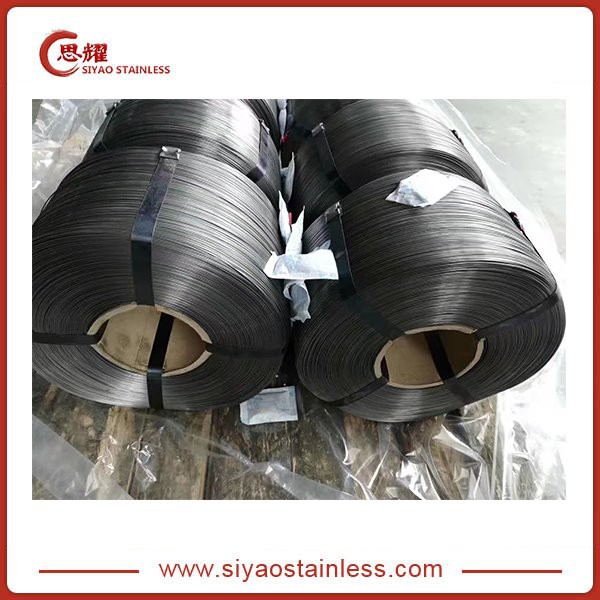
First off, let's briefly talk about carbon steel wire. Carbon steel wire is known for its strength and durability. It comes in various types, like High Strength Steel Wire and High Strength Carbon Steel Wire, each with different carbon contents and properties. The higher the carbon content, generally, the stronger and harder the wire, but it can also be more brittle.
Methods of Connecting Carbon Steel Wire
1. Twisting
Twisting is one of the simplest and most common ways to connect carbon steel wire. It's suitable for light - duty applications where high tensile strength isn't the primary requirement.
- Steps:
- First, align the two ends of the wire. Make sure they overlap by a sufficient length, usually around 6 - 8 inches.
- Then, use a pair of pliers to hold one end of the overlapping wires firmly.
- Take the other end and start twisting it around the fixed end. You can do this by hand for thinner wires, but for thicker ones, you might need another pair of pliers to help with the twisting.
- Keep twisting until the connection is tight. The more twists you make, the stronger the connection will be.
However, twisting has its limitations. It's not very reliable for applications where the wire will be under heavy loads or constant vibration.
2. Using Wire Clamps
Wire clamps are a great option when you need a more secure connection. They come in different sizes and designs to fit various wire diameters.
- Steps:
- Select a wire clamp that is the right size for your carbon steel wire. The clamp should be able to grip the wire tightly without damaging it.
- Place the two ends of the wire side by side inside the clamp. Make sure they are straight and evenly aligned.
- Use a screwdriver or a special tool to tighten the bolts or screws on the clamp. Tighten them gradually, checking the tightness as you go. The goal is to make the clamp hold the wires firmly together.
Wire clamps are commonly used in electrical installations, fencing, and some industrial applications. They provide a relatively strong and stable connection, but you need to make sure the clamp is properly installed to avoid loosening over time.
3. Welding
Welding is the most permanent and strongest way to connect carbon steel wire. It fuses the two ends of the wire together, creating a single, continuous piece.

- Steps:
- Preparation is key. Clean the ends of the wire thoroughly to remove any dirt, rust, or debris. This ensures a good weld.
- Use a welding machine suitable for carbon steel. You can choose from different welding methods, such as arc welding or MIG welding.
- Set the welding machine to the appropriate settings based on the thickness of the wire.
- Hold the welding electrode or the welding gun close to the joint and start the welding process. Move the electrode or gun steadily along the joint to create a continuous weld bead.
- After welding, let the joint cool down slowly. This helps to prevent cracking and ensures the strength of the connection.
Welding requires some skill and proper equipment. It's also more expensive and time - consuming compared to the other methods. But for applications where a high - strength, permanent connection is essential, like in structural steelwork, welding is the way to go.
Tips for a Successful Connection
- Clean the Wire: Before making any connection, always clean the wire ends. Dirt, rust, and grease can weaken the connection, especially in welding and some clamping methods.
- Test the Connection: After making the connection, give it a gentle tug to check its strength. If it feels loose or weak, you may need to re - do the connection.
- Consider the Application: Think about the specific requirements of your project. If the wire will be exposed to the elements, you might need to choose a connection method that is resistant to corrosion. If it will be under heavy loads, a more secure connection like welding or using heavy - duty clamps is necessary.
Why Choose Our Carbon Steel Wire?
As a supplier, we take pride in offering high - quality carbon steel wire. Our High Strength Steel Wire and High Strength Carbon Steel Wire are made from top - grade materials and undergo strict quality control processes.
Whether you're a professional contractor, a DIY enthusiast, or a manufacturer, our carbon steel wire can meet your needs. We have a wide range of wire diameters and strengths available, and we can also provide customized solutions based on your specific requirements.
Let's Connect and Do Business!
If you're interested in purchasing carbon steel wire or have any questions about connecting it, don't hesitate to reach out. We're here to help you find the best solutions for your projects. Whether it's choosing the right wire, the most suitable connection method, or getting technical advice, our team of experts is ready to assist you. Let's work together to make your projects a success!
References
- "Steel Wire Handbook" - A comprehensive guide on steel wire properties, manufacturing, and applications.
- "Welding for Beginners" - A useful resource for learning the basics of welding carbon steel.