

Can carbon steel wire be used in the food industry? This is a question that many in the food industry and those considering using carbon steel wire for food - related applications often ask. As a supplier of carbon steel wire, I'd like to delve into this topic comprehensively.
Understanding Carbon Steel Wire
Carbon steel wire is a widely used material known for its versatility and strength. It is composed primarily of iron and carbon, with the carbon content typically ranging from 0.05% to 2.1% by weight. This variation in carbon content significantly affects the wire's properties, such as hardness, ductility, and tensile strength.
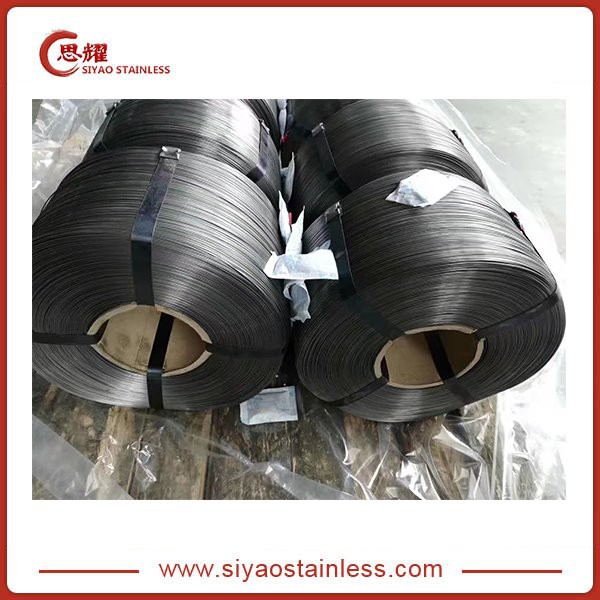
There are different types of carbon steel wire available in the market. For instance, High Strength Carbon Steel Wire is designed to withstand high levels of stress and is commonly used in applications where strength is of utmost importance. Similarly, High Strength Steel Wire offers excellent mechanical properties and is suitable for a variety of demanding tasks.
Factors Affecting the Use of Carbon Steel Wire in the Food Industry
Hygiene and Corrosion Resistance
One of the primary concerns when considering using carbon steel wire in the food industry is hygiene. Food safety is non - negotiable, and any material used in food processing, handling, or storage must meet strict hygiene standards. Carbon steel, by itself, is prone to rusting when exposed to moisture and certain chemicals. Rust can contaminate food products, posing a significant health risk.
However, there are solutions to this problem. Carbon steel wire can be coated with various materials to enhance its corrosion resistance. For example, galvanized carbon steel wire has a zinc coating that acts as a sacrificial anode, protecting the underlying steel from rust. Stainless steel, which is a type of steel with a higher chromium content, is also highly corrosion - resistant. Although it is not strictly carbon steel, it shows that with proper alloying or coating, steel wires can be made suitable for food - contact applications.
Regulatory Compliance
The food industry is heavily regulated, and any material used must comply with relevant food safety regulations. In many countries, materials in contact with food must meet specific standards set by regulatory bodies such as the Food and Drug Administration (FDA) in the United States or the European Food Safety Authority (EFSA) in Europe.
Carbon steel wire must be tested to ensure that it does not leach harmful substances into food. Coating materials used on carbon steel wire also need to be approved for food contact. For example, the zinc used in galvanized coatings must be of food - grade quality, and the coating process must be carried out in a way that does not introduce contaminants.
Physical Properties and Functionality
The physical properties of carbon steel wire, such as its strength and flexibility, can be advantageous in the food industry. In food processing, carbon steel wire can be used in equipment like conveyor belts, sieves, and grills. Its high strength allows it to support heavy loads, and its flexibility enables it to be formed into various shapes.
For example, in a bakery, carbon steel wire can be used to make wire mesh for bread racks. The wire's strength ensures that it can hold the weight of multiple loaves of bread, while its flexibility allows for easy shaping of the racks.
Applications of Carbon Steel Wire in the Food Industry
Food Processing Equipment
Carbon steel wire is used in a variety of food processing equipment. In meat processing, it can be used to make hooks for hanging carcasses. The high strength of the wire ensures that it can support the weight of large animals without breaking.
In the dairy industry, carbon steel wire can be used in cheese - making equipment. Wire cutters made from carbon steel are used to cut cheese into uniform pieces. The sharpness and durability of the wire allow for precise cutting, which is essential for consistent product quality.
Packaging
Carbon steel wire can also be used in food packaging. For example, it can be used as a tie wire for packaging products like tea bags or to seal food containers. The wire's strength ensures that the packaging remains intact during transportation and storage.
Case Studies
Let's take a look at some real - world examples of carbon steel wire use in the food industry. A small - scale bakery was facing issues with its old wooden bread racks. The racks were heavy, difficult to clean, and prone to damage. They decided to switch to carbon steel wire mesh bread racks.
The new racks were lighter, easier to clean, and more durable. The bakery was able to increase its production capacity as the wire racks could hold more bread. Moreover, the carbon steel wire was galvanized, which prevented rusting and ensured that the bread remained safe for consumption.
Another example is a meat - processing plant. They used carbon steel hooks for hanging meat carcasses. The high - strength carbon steel hooks were able to withstand the weight of large animals without bending or breaking. This improved the efficiency of the meat - hanging process and reduced the risk of accidents in the plant.
Advantages of Using Carbon Steel Wire in the Food Industry
Cost - Effectiveness
Compared to some other materials used in the food industry, such as stainless steel, carbon steel wire is generally more cost - effective. This makes it an attractive option for small and medium - sized food businesses that are looking to reduce costs without compromising too much on quality.
Customizability
Carbon steel wire can be easily customized to meet specific requirements. It can be cut, bent, and formed into various shapes and sizes. This allows food manufacturers to design equipment and packaging that is tailored to their products.
Disadvantages and Challenges
Maintenance Requirements
As mentioned earlier, carbon steel wire requires regular maintenance to prevent rusting. This can be time - consuming and costly, especially for large - scale food processing facilities. Coated carbon steel wire may also require special cleaning procedures to avoid damaging the coating.
Limited Compatibility with Certain Foods
Carbon steel wire may not be suitable for use with all types of foods. For example, acidic foods can react with carbon steel, causing corrosion and potentially contaminating the food. In such cases, alternative materials may need to be considered.
Conclusion
In conclusion, carbon steel wire can be used in the food industry, but it comes with both opportunities and challenges. With proper coating and maintenance, carbon steel wire can meet the hygiene and corrosion - resistance requirements of the food industry. Its strength, cost - effectiveness, and customizability make it a viable option for many food - related applications.

However, it is crucial to ensure that carbon steel wire used in the food industry complies with all relevant regulatory standards. Food manufacturers should carefully assess the specific requirements of their operations and choose the most appropriate type of carbon steel wire or alternative material.
If you are in the food industry and are considering using carbon steel wire for your operations, I encourage you to reach out for more information. Our company offers a wide range of carbon steel wire products, including High Strength Carbon Steel Wire and High Strength Steel Wire. We can provide you with detailed product specifications, technical support, and help you determine the best solution for your needs. Let's start a conversation to explore how our carbon steel wire can benefit your food business.
References
- "Food Safety Modernization Act (FSMA) - An Overview." U.S. Food and Drug Administration.
- "European Union Food Law." European Food Safety Authority.
- "Properties and Applications of Carbon Steel." ASM International Handbook Committee.